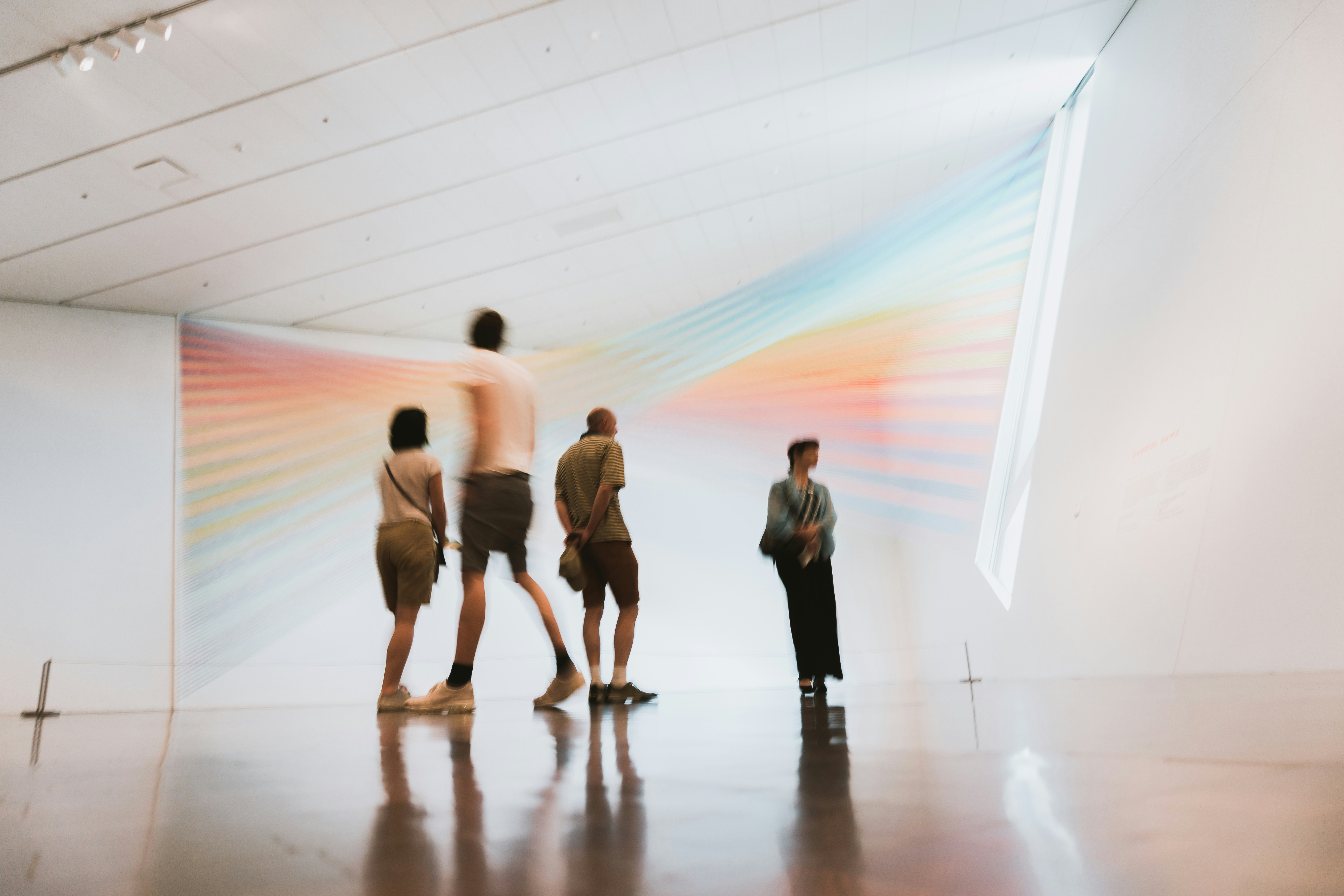
A local museum showcasing Makati’s history in a historic building designated as an Important Cultural Property (ICP).

The Nueva Vizcaya People’s Museum and Library is the former seat of the Provincial Government of Nueva Vizcaya, concentrating on artifacts on ethnographic, historical and ecclesiastical importance to the province.

A historical museum documenting the shared Philippine-Japanese history of Davao through migration, community, abaca, war, and reconciliation.
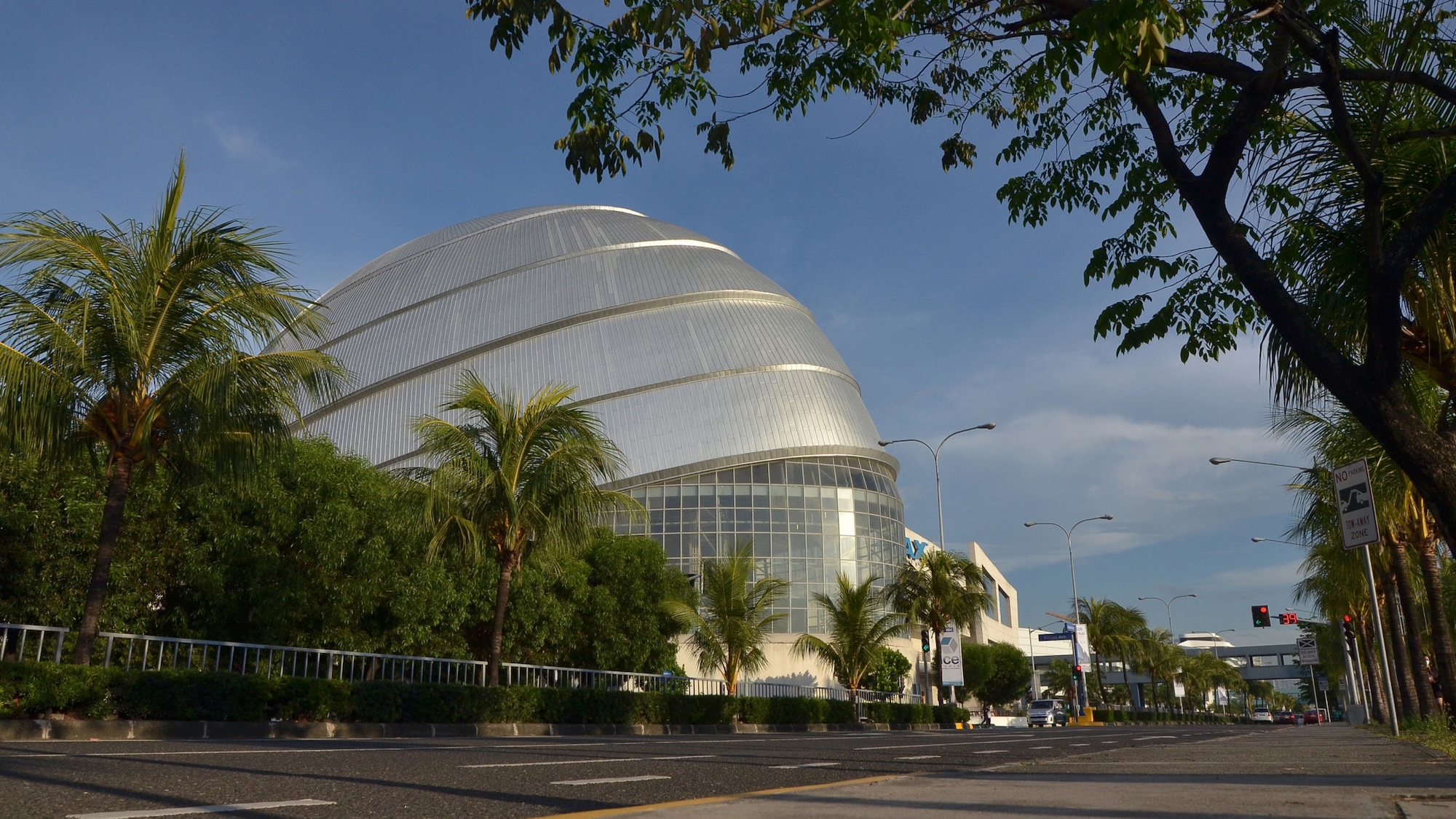
Museo del Galeón is the Philippines' First Experiential, Immersive Maritime Heritage Museum.

A historic house museum where stories of the Jesuits, early Cebu, and the historic Parian district come together through architecture, artifacts, and heritage.

Lyceum of Aparri Ecclesiastical Museum is one of the earliest ecclesiastical museums established outside of Manila.

Museo ng Lipa takes visitors on a journey through the city’s rich history, from its founding in 1605 at Tagbakin to the Lipa we know today.

Home of The Filipino Liturgical Vestments Collection of Transfiguration Abbey.

LaNorte Provincial Museum, the first museum in Lanao del Norte, preserves and showcases the province’s rich cultural heritage and history. Visitors can explore the province’s diverse heritage, discover meaningful stories from the past, and gain a deeper appreciation of LaNorte’s culture, identity, and legacy.

The NMP Cordillera Regional Museum (National Museum Cordillera) serves as a site museum for the UNESCO World Heritage-inscribed Cordillera Rice Terraces. It is an ethnographic museum located within the historic Kiangan War Memorial Shrine compound in the town center of Kiangan, Ifugao.

Museo Sugbo promotes Cebu as one of the country's premier provinces, renowned for its rich culture and history.

Sugwak means spring-a place where life begins and history flows outward. To understand Agusan del Sur, this is where your journey starts.
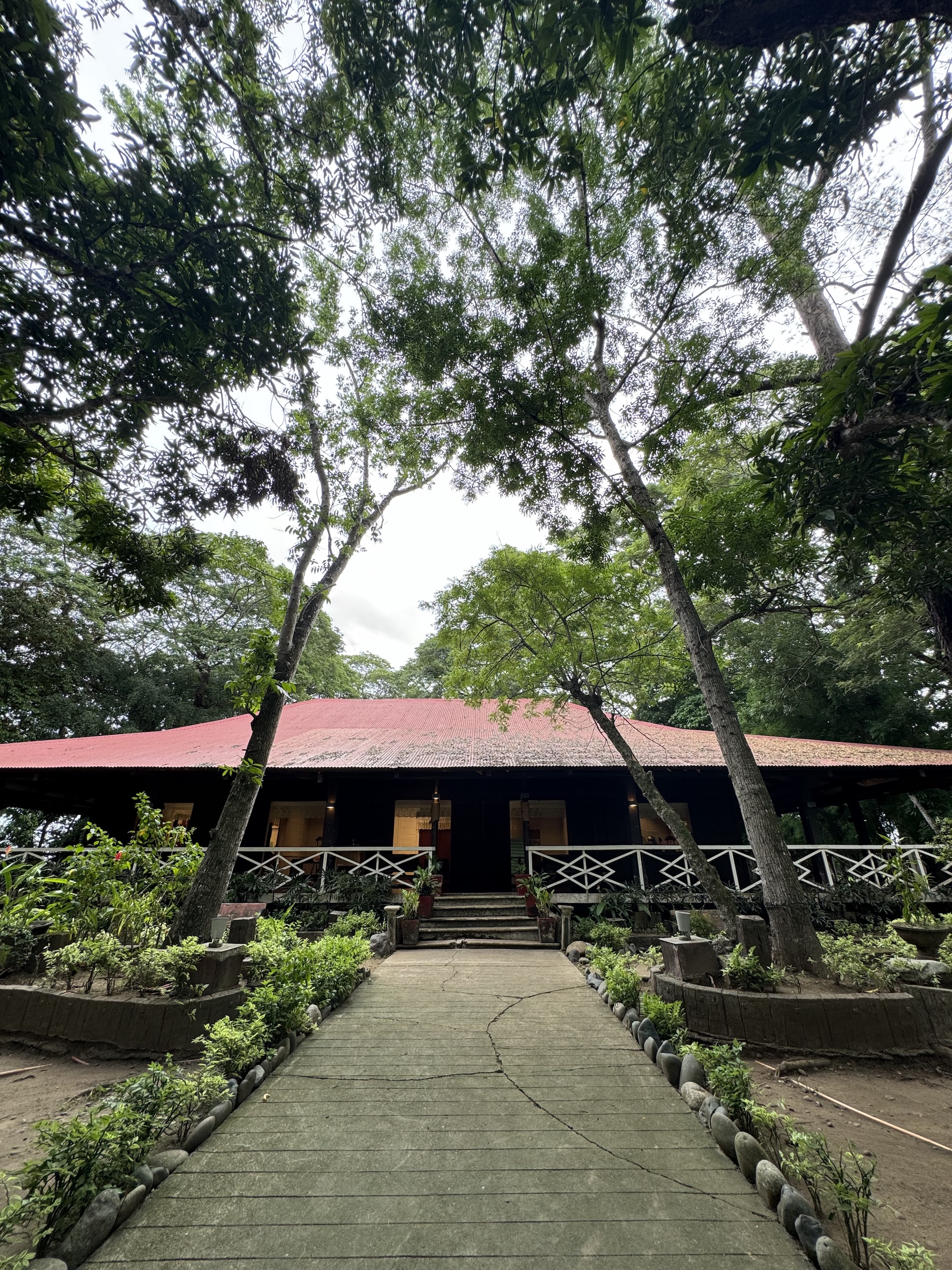
Casa de Museo at Hacienda de San Luis Eco-Tourism Park is a heritage attraction that preserves and showcases the rich history and cultural legacy of the former Hacienda San Luis.

The Baguio Mansion House, formerly a presidential summer retreat located in the eastern part of Baguio City, now serves as a museum showcasing collections and memorabilia of the Presidents of the Philippines.

The museum is a testament to National Artist BenCab’s legacy, a sanctuary where his works converse with nature & history.

Isabela Museum and Library preserves Isabela’s rich history, culture, and heritage while promoting education, knowledge, and cultural pride.

Museo Orlina is the showcase of the internationally renowned glass sculptor Ramon Orlina.

Tam-awan Village uniquely blends indigenous aesthetic and exquisite Cordilleran craftmanship with an artist's concept for a village adapting to Baguio setting.

The Cagayan Museum and Historical Research Center, established in 1973, is the central repository of Cagayano culture and history, it features a diverse collection of prehistoric fossils, stone tools, historical and ethnographic artifacts, colonial-era ecclesiastical art, and contemporary local artworks.

Showcases artifacts, arts, music and dances from the Igorots of the Cordillera region, Philippines
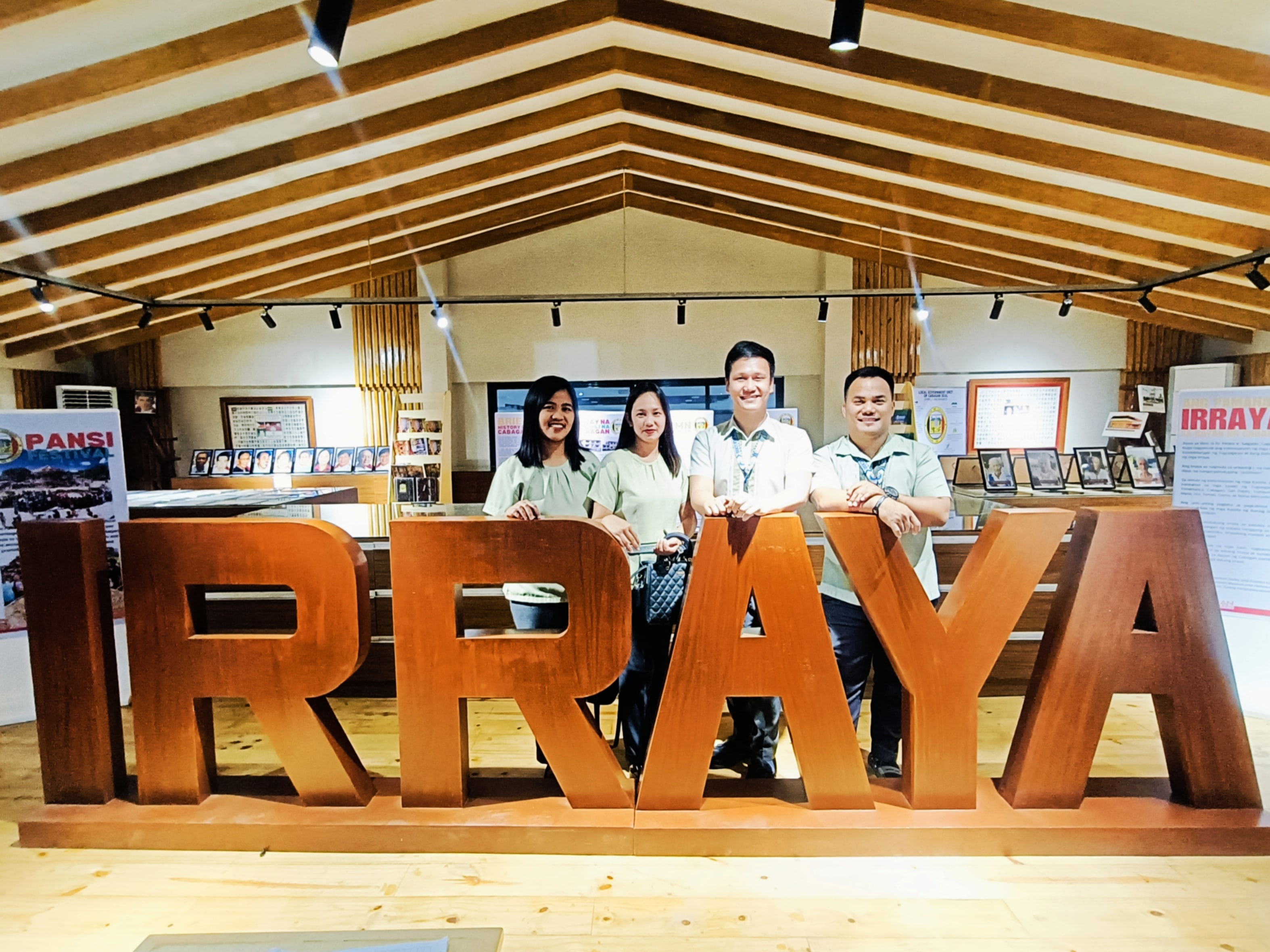
The Cabagan Museum is a cultural and historical center that preserves and showcases the rich heritage, traditions, and identity of the Municipality of Cabagan.

Casa Bacarro Heritage Museum & Restaurant in a Victorian inspired mansion - A Must Visit “His-tourical” place highlighting a Printing Press that produced the Mindanao Emergency Currency during the Second World War, a heritage attraction featuring a wide range of Philippine Antique Furniture arranged in a well preserved Colonial Lifestyle.

The house is half a century old, built in 1968 within six hectares of land which includes the Liceo campus. Come and see the historical and cultural heritage inside the museum walls. Enjoy Philippine artifacts as well as Old World furniture and European Art.
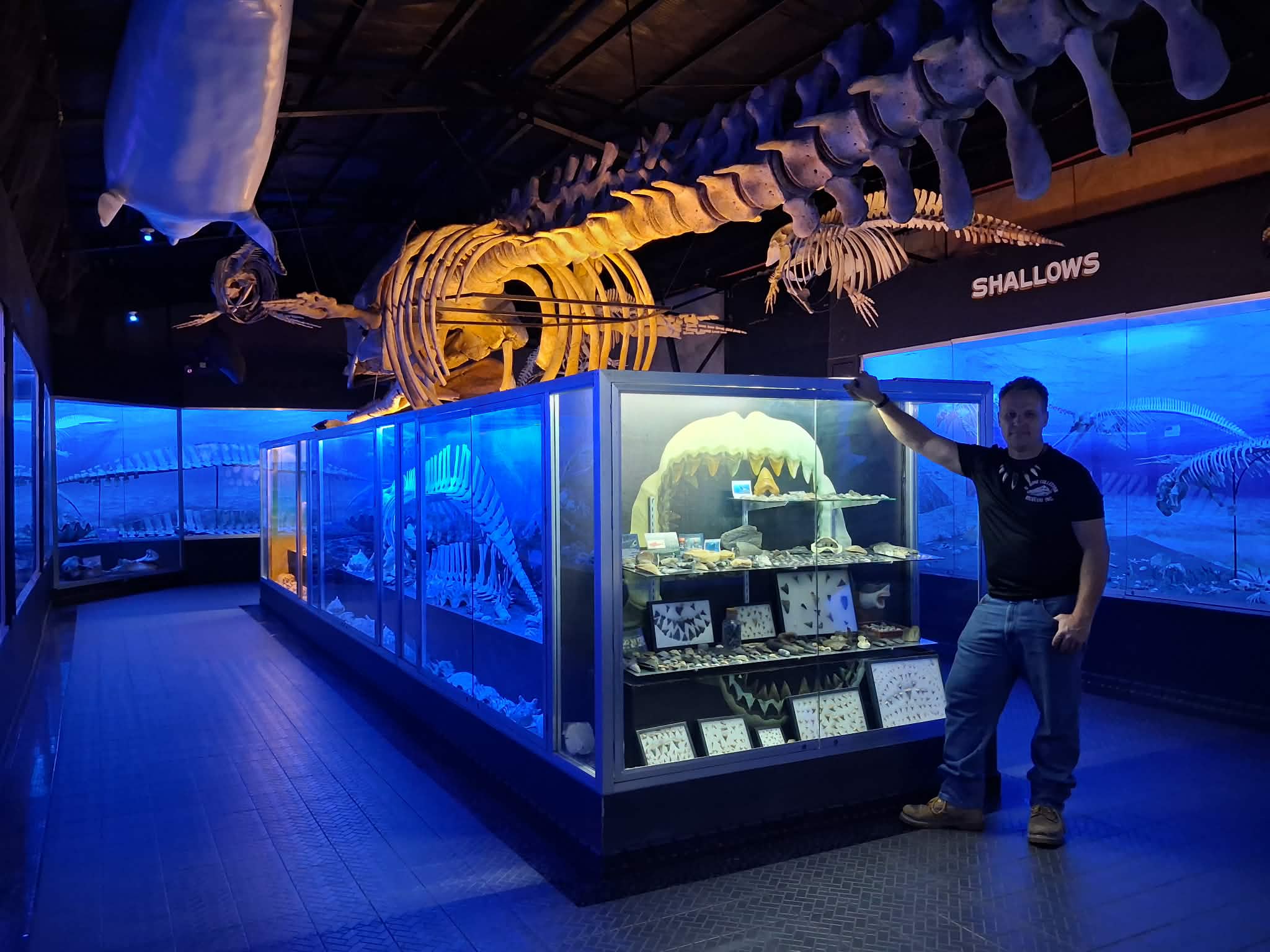
D Bone Collector Museum Inc. is a private environmental education museum in Davao City dedicated to using natural history specimens, including marine mammal skeletons, to educate the public about wildlife conservation, environmental protection, and the interconnectedness of ecosystems.

El Museo de Zamboanga is a historical museum envisioned as a premier institution encouraging discovery to promote better understanding of the local culture and history, expanding knowledge through research, linking the community by way of collections, and engaging the public through exhibitions.

A city museum preserving, researching, and sharing the history, culture, heritage, and archaeology of Cagayan de Oro.
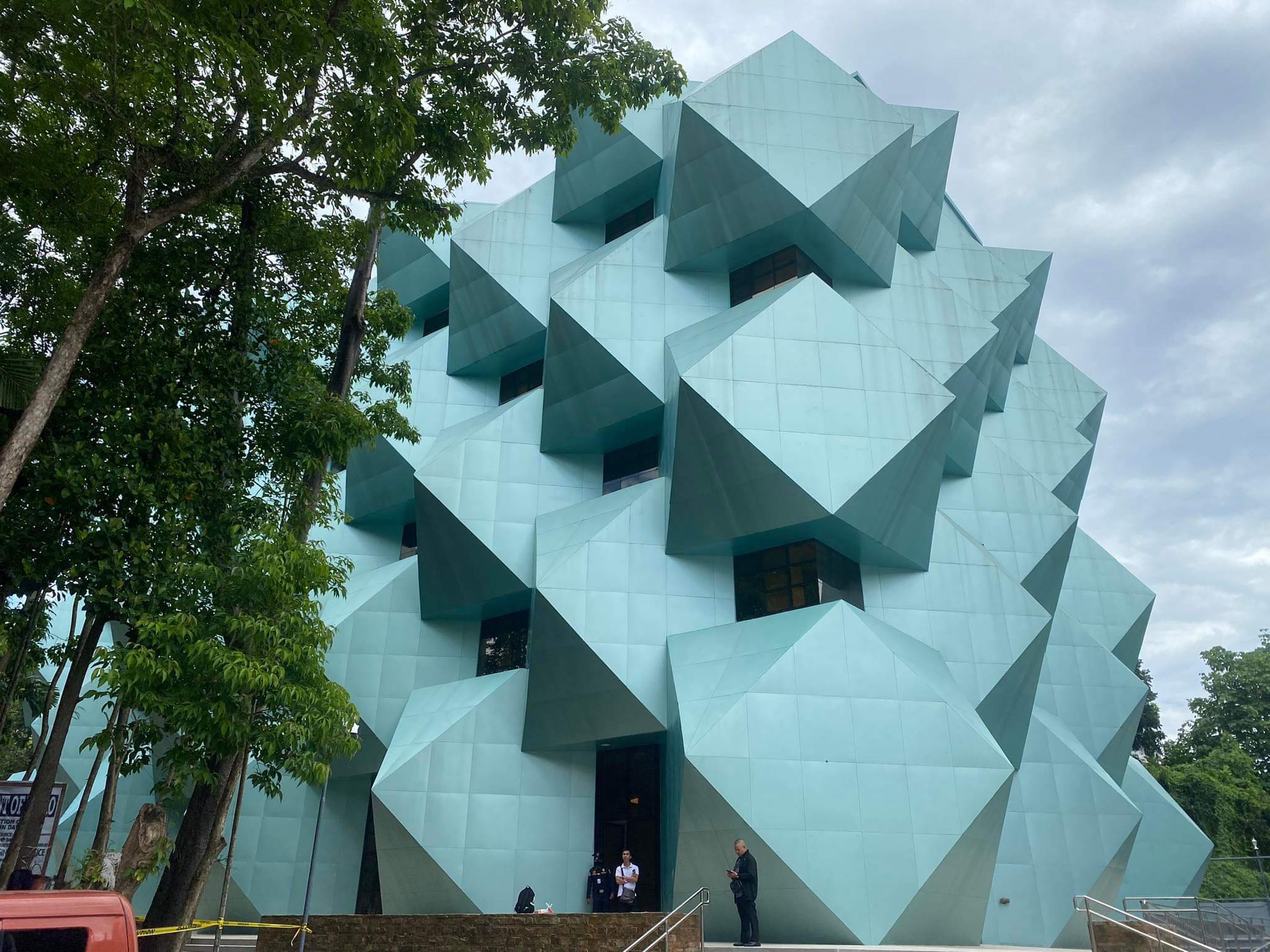
The National Museum of the Philippines-Davao, also known as the NMP-Davao, is the 17th regional component museum of the National Museum of the Philippines and the 4th regional museum in Mindanao (after Butuan, Zamboanga, and Sulu).

A museum that preserves and celebrates the rich trading history and cultural heritage of Sulu.

A repository of artifacts, art works, and documents relevant to the cultural and historical memory of the people within the Bangsamoro Autonomous Region in Muslim Mindanao (BARMM).

Bayay Surigaonon stands as a museum of social history and a living repository of the tangible heritage of Surigao del Norte.

The Bicol Guerilla Museum honors the bravery of Bicolano fighters during WWII through rare artifacts, photos, and memorabilia. It preserves the region’s legacy of resistance and educate visitors on the local fight for freedom and national pride.

A regional repository of biodiversity collections supporting research, education, and conservation in Eastern Visayas.

This museum honors the rich heritage and harmony of Northern Mindanao’s tri-people: Indigenous groups, Lowland Migrants, and the Maranao.

The National Museum of the Philippines - Cebu features exhibitions that capture the Cebuano spirit and heritage, including the island’s rich and diverse biodiversity, geology, archaeological treasures, art, and ethnographic and maritime traditions.

Casa de Segunda (also known as the Luz–Katigbak House) is one of the most important heritage houses in Lipa City, Batangas. Built in the 1860s in the traditional bahay na bato style, it was the home of Doña Segunda Solis Katigbak, widely remembered as the first love of José Rizal.

A heritage museum preserving and showcasing the rich history, culture, and traditions of the Ifugao people in the heart of Banaue." or "Your Gateway to the Cordilleras

What used to be the Provincial Jail and Courthouse since its construction in 1916, Museo Sorsogon will now be home to the history and culture of Sorsogon.

A school based museum with one of the largest collections of international folk textiles and antique wooden "santos".

The largest museum in Marikina City and the first of its kind in Asia, the museum houses an extensive collection of local, global artifacts and limited‑edition books and published materials from over 200 countries and islands.

The gateway to Intramuros, where history comes alive through immersive exhibits, visitor services, and heritage experiences.

Fort Santiago, Intramuros' historic citadel, has witnessed centuries of history and now stands as a Shrine of Freedom and heritage landmark.
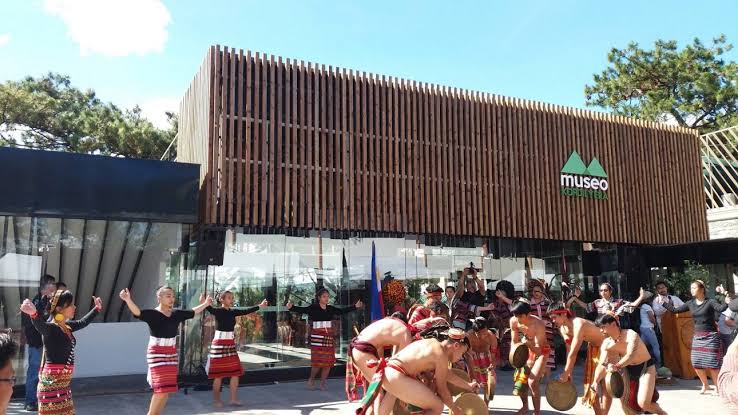
The Museo Kordilyera is the Ethnographic museum of the University of the Philippines Baguio, serving as a platform for educating the people on the rich culture, tradition and identity of the Cordilleran peoples.

A 19th-century colonial lifestyle museum
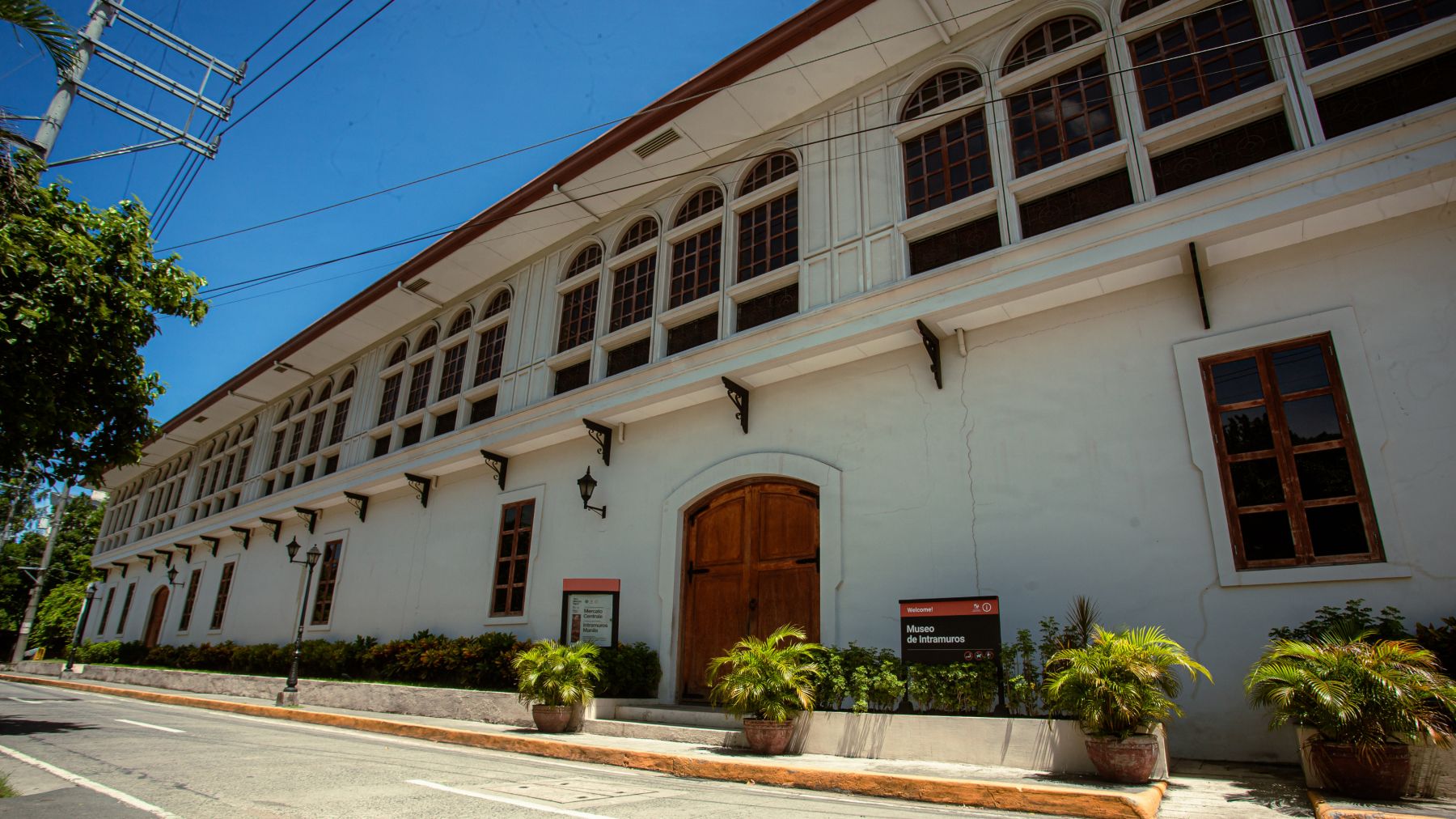
The Museo de Intramuros showcases the Intramuros Administration's extensive collection of religious art and artifacts, one of the largest state-owned collections in the Philippines.

The Santungan Ning Kulturang Kapampangan is the cultural heart of Pampanga—a living museum where the Kapampangan story is preserved, experienced, and passed on to future generations.

An art museum that celebrates creative industries with permanent exhibits on Jose Rizal, Fernando Amorsolo, and the legacy of the Yuchengco Group founder.

Museo de Oro is a folkloric, historical, and ethnological museum of Xavier University.
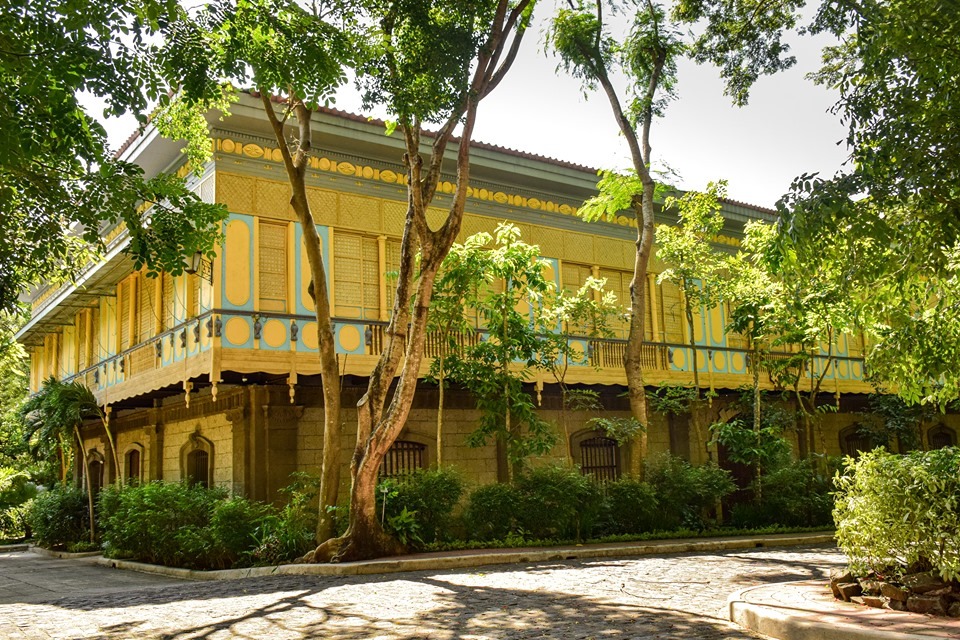
Museo De La Salle is a lifestyle museum dedicated to the preservation of certain aspects & material culture of the 19th century Philippine ilustrado lifestyle.
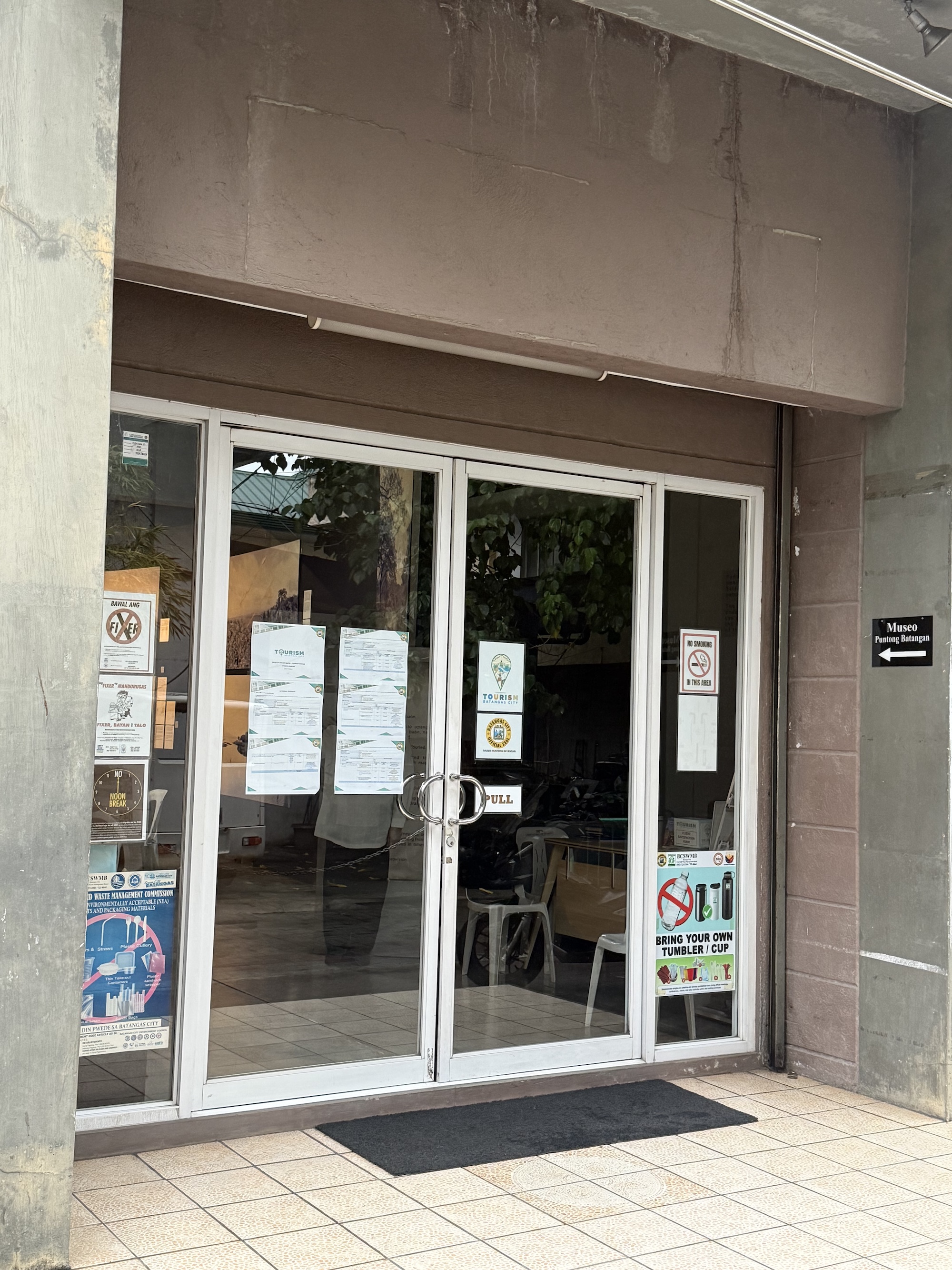
A museum that has 14 word sections, endeavoring to explain the ways of life is sensed and conceived in the municipality of Batangas.

The Museo Diocesano de Pasig is the official museum of the diocese of pasig the repository of the cultural patrimony and heritage of the Immaculate conception cathedral as the seat of the diocese.

The GSIS Museo ng Sining was established on 23 April 1996 to pay tribute to the creative endeavors of the National Artists and the countless contemporary artists all over the Philippines.
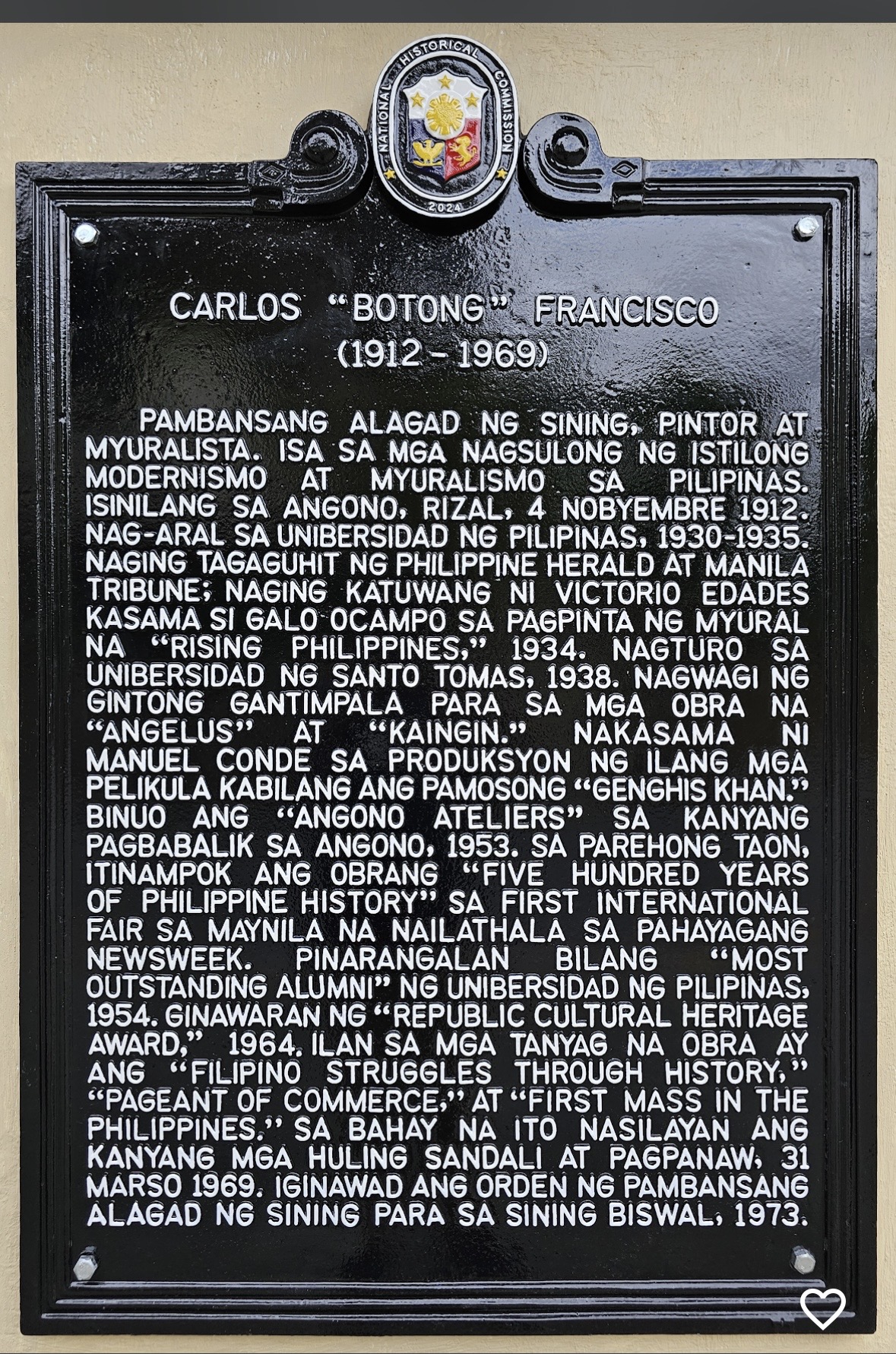
Home and studio of National Artist Carlos “Botong” V. Francisco, preserving his artistic legacy in Angono, Rizal.

A premier heritage destination with engaging galleries and cave tours, showcasing the Tabon human fossils, the Manunggul Jar, and the origins of early Philippine civilization.
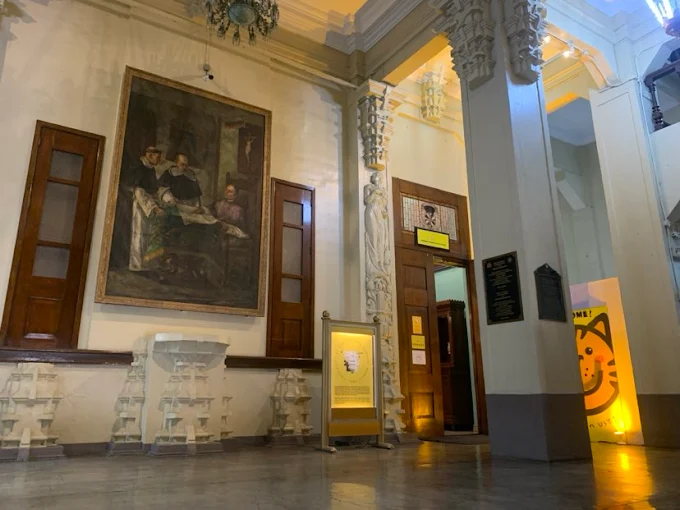
To safeguard and foster the understanding of the identity and history of the University through its collections.
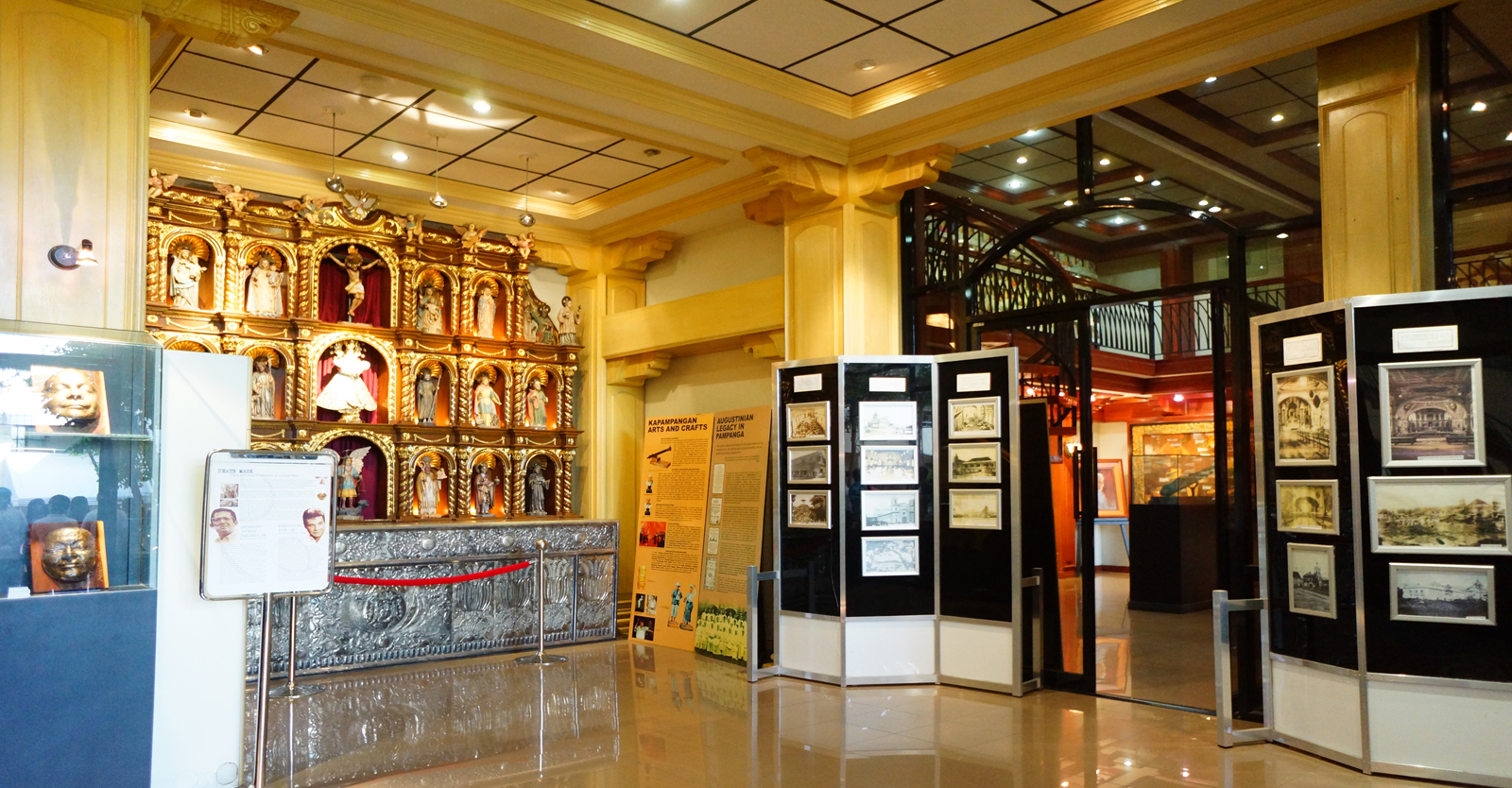
The Center for Kapampangan Studies (CKS) Group of Museums of Holy Angel University, Angeles City is an integral part of the premiere study center of the region, dedicated to the understanding and appreciation of the arts, culture, heritage, and language of the Kapampangan region.

The Padre Burgos Museum is one of the two historic buildings that is part of the NMP – Ilocos. The museum is an ancestral house constructed in 1788, which was declared as a historical building owing to its association with the martyred priest, Fr. Jose Burgos (1837-1872), whose death along with two other priests sparked the anti-Spanish colonial resistance.

Widely recognized as the first museum of Philippine modern art. Est. in 1960 through Fernando Zóbel’s bequest to the Ateneo of works by key Filipino post war artists.

Museo Pambata is the Philippines' first interactive, hands on, and discovery museum for children.

A museum of Chinese in Philippine life

Non-collecting art institution under the De La Salle-College of Saint Benilde that considers the larger ecosystem of the Philippine art scene, the Museum of Contemporary Art and Design (MCAD) Manila presents exhibitions, learning, and publications programs; as well as other cultural and art-inspired undertakings in collaboration with local and international artists and institutions to amplify engagement with contemporary art in particular, and art and culture in general.
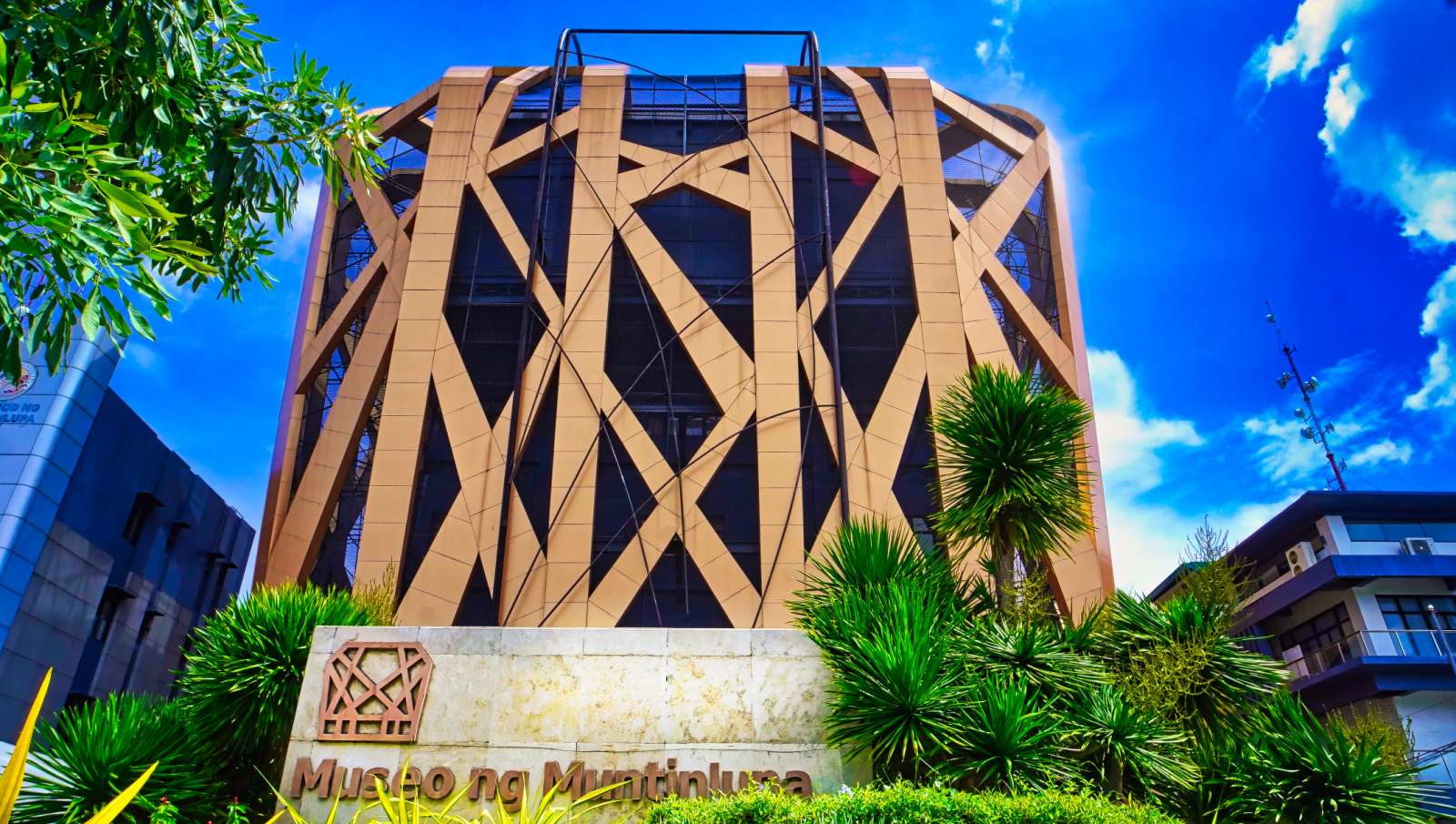
The Museo ng Muntinlupa is the first city museum of its kind fusing history, interactivity, and communal spaces in a salakab inspired five-story building.

Autem voluptate officiis laborum sed quo autem quam nulla fuga ut. Ea laborum vel assumenda facere tempore consectetur et aut.